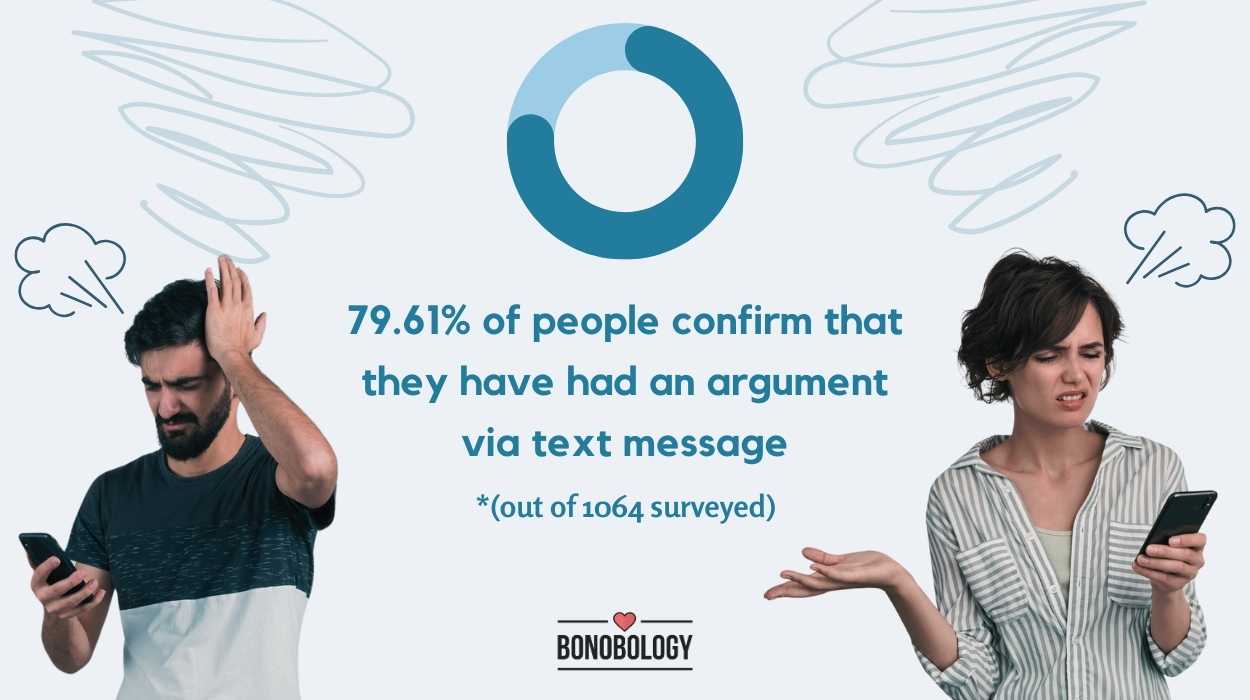
The Fexting Trap: How Text Fights Destroy Empathy and Connection
In an age where our smartphones are extensions of ourselves, text messaging has revolutionized how we connect, plan, and share snippets of our daily lives. From coordinating dinner plans to sharing a quick laugh, texts serve a vital role in modern communication. However, this convenience often spills over into more serious territory, leading to a prevalent and deeply damaging phenomenon:
fexting. Fexting, or fighting over text, has become an insidious trap in countless relationships, eroding empathy, fostering misunderstanding, and ultimately fracturing the very connections we strive to nurture.
While it may feel like a safer, more controlled way to address conflict, fexting deprives us of the essential human elements that make healthy communication possible. It's a digital battlefield where crucial non-verbal cues are absent, intentions are easily distorted, and resolution becomes a distant mirage. Understanding why fexting is so detrimental and actively choosing healthier alternatives is paramount for fostering true intimacy and connection.
The Illusory Safety of the Screen: Why We Fext
Why do so many of us fall into the fexting trap, despite its evident drawbacks? Clinical psychologist Dr. Carla Manly highlights a key reason: the sender's unilateral sense of control and a perceived sense of safety. When facing a difficult conversation, sending a text can feel less confrontational than a direct interaction. It creates a physical and emotional distance, making it easier to articulate harsh words or express anger without immediately witnessing the other person's reaction.
This distance, however, is a double-edged sword. While it might offer temporary relief from direct discomfort, it simultaneously lowers our sense of accountability and empathy. "When texting, the sender may feel a far lower sense of accountability and empathy due to the physical and emotional distance that electronic communication offers," Manly explains. This perceived safety can sometimes stem from deeper, unresolved issues or past trauma that make in-person confrontations feel overwhelming or unsafe. However, relying on text as a shield prevents us from developing the resilience and emotional intelligence needed for robust, real-world interactions. We opt for the path of least resistance, inadvertently paving the way for greater relational strain.
The Empathy Erosion: How Text Fights Disconnect Us
Perhaps the most significant casualty in the war of fexting is empathy. Healthy human communication relies heavily on a complex interplay of verbal and non-verbal cues. In person, we instinctively register body language, facial expressions, eye contact, and vocal intonation. These "energetic and visual cues," as Dr. Manly describes them, are invaluable for understanding the true meaning and emotional weight behind words. They allow us to gauge discomfort, sincerity, sadness, or frustration, fostering a natural sense of empathy and guiding us toward a constructive dialogue.
Texting, however, strips away these vital layers of communication. A carefully chosen emoji or a capitalized word simply cannot convey the nuances of a sigh, a frown, or a gentle touch. When we fext, we are deprived of the context we often need to assess and understand the energy and meaning behind the sender's words. This void is then frequently filled by our own anxieties, assumptions, or past experiences, leading to a dangerous cycle of misinterpretation and escalating conflict.
The Misinterpretation Minefield
We've all been there: a single-word response after a detailed paragraph, a seemingly innocuous phrase that suddenly feels laced with passive aggression, or a positive text misinterpreted as negative. The lack of visual and auditory cues in text messages creates a fertile ground for misunderstandings. Sarcasm doesn't land, humor falls flat, and a rushed message can come across as dismissive or cold.
Without tone or facial expressions to guide us, our brains are left to fill in the blanks, and often, they do so with a negative bias, especially when already feeling triggered or defensive. This tendency towards "black and white" thinking, as Manly points out, poisons healthy intimacy by fostering extreme interpretations rather than understanding the shades of gray inherent in human emotion. What might have been a simple miscommunication in person can quickly devolve into a full-blown argument over text, leaving both parties feeling unheard, misunderstood, and deeply hurt.
Stifling Growth: Why Fexting Undermines Conflict Resolution Skills
Beyond the immediate damage to empathy and connection, fexting poses a long-term threat to the health of a relationship by preventing couples from developing crucial conflict resolution skills. Intimate relationships, by their very nature, involve disagreements. The ability to navigate these conflicts constructively—to listen, to compromise, to express needs clearly, and to find common ground—is a cornerstone of relational growth and resilience.
When text is the go-to method for fighting, couples bypass the opportunity to utilize and hone these absolutely necessary skills. Instead of engaging in connective discussion aimed at resolution, fexting often devolves into "downloading aggressions" or scoring points. It allows us to avoid the discomfort of real-time negotiation, the vulnerability of expressing complex emotions, and the effort required for active listening. This avoidance, over time, starves the relationship of the very processes needed to deepen understanding and build trust. Without practicing effective conflict resolution, disagreements become less about finding solutions and more about winning an argument, ultimately hindering true intimacy. For a deeper dive into why text arguments fail and strategies for better communication, read our article
Beyond Fexting: Why Text Arguments Fail & How to Communicate Better.
Breaking the Cycle: Strategies for Healthier Communication
Recognizing the dangers of fexting is the first step; actively choosing healthier communication methods is the transformative leap. While texting has its place for logistics and light exchanges, serious conversations demand a more personal approach. To understand the red flags more, check out
Fexting: Why Fighting Over Text Is a Relationship Red Flag. Here's how to break free from the fexting trap:
- Prioritize In-Person or Verbal Communication: When an issue arises that involves strong emotions or complex ideas, always opt for a face-to-face conversation, a video call, or at the very least, a phone call. These mediums restore the crucial non-verbal cues that foster empathy and understanding.
- Pause Before You Pounce: If you receive a triggering text, resist the urge to immediately type out an angry response. Take a deep breath. Step away from your phone. Give yourself time to cool down and consider the best way to address the issue.
- Set Clear Boundaries: Talk with your partner about agreeing not to discuss serious or emotionally charged topics via text. Establish a "no-fexting" rule for arguments. Agree that if a text starts to feel like a fight, one of you will call for a pause and suggest a verbal discussion instead.
- Proactive Communication: Don't wait for resentment to build. If something is bothering you, bring it up in person or via a call before it festers into a larger conflict that might then spill over into texts.
- Use "De-escalation Texts": If a text conversation begins to head south, send a text like, "This feels like it's becoming a misunderstanding, and I don't want to fight over text. Can we talk about this later tonight/tomorrow?" or "I'm having a hard time understanding your tone here. Can we please talk on the phone?" This signals a desire to communicate effectively while stopping the fexting spiral.
- Focus on Logistics for Text: Reserve texting for what it does best: sharing information, making plans, quick check-ins, or expressions of affection. Keep it light and functional.
Breaking the habit of fexting requires intentionality and commitment from both partners. It's about recognizing that while texting offers convenience, it often comes at the steep cost of genuine connection and effective conflict resolution.
Conclusion
The fexting trap is a pervasive issue in our digitally-driven world, subtly chipping away at the foundation of healthy relationships. By stripping away vital non-verbal cues, fexting fosters misunderstanding, erodes empathy, and prevents us from developing the essential conflict resolution skills necessary for lasting intimacy. While the screen may offer an illusion of safety and control, it ultimately creates a chasm between partners, hindering true connection. Choosing to step away from text fights and embracing direct, verbal communication—whether in person, via video, or by phone—is a powerful commitment to valuing your relationship and fostering deeper, more resilient bonds. It's an investment in understanding, empathy, and the ability to navigate life's inevitable disagreements with grace and connection.